
Table of Contents
Cambodia is one of Southeast Asia’s most rewarding destinations — home to the ancient temples of Angkor Wat, tropical islands, vibrant cities, and lush countryside shaped by the Mekong River. But choosing the best time to visit Cambodia can completely change your travel experience.
The country has a tropical monsoon climate with two distinct seasons: dry season and rainy season. In general, the best time to travel to Cambodia is between November and February, when temperatures are cooler, humidity is lower, and rainfall is minimal.
Still, every month offers something different — from green rice fields during monsoon season to perfect beach weather along Cambodia’s southern coast. Here’s a complete month-by-month Cambodia weather guide to help you plan the ideal trip.
Cambodia Weather Overview
Cambodia experiences two main seasons:
- Dry Season (November to April) — Sunny skies, low rainfall, ideal for sightseeing and beaches.
- Rainy Season (May to October) — Tropical rains, greener landscapes, fewer tourists, lower prices.
Average temperatures range between 25°C and 35°C year-round, with April usually being the hottest month.
Cambodia Weather by Month
January — Best Overall Weather in Cambodia
January is widely considered one of the best months to visit Cambodia. Days are sunny and dry, temperatures are comfortable, and humidity remains low.
Why Visit Cambodia in January?
- Perfect weather for exploring Angkor temples
- Great conditions for island hopping and beaches
- Comfortable evenings in Phnom Penh and Siem Reap
Average Temperature
- 22°C–30°C
Best Places to Visit
- Siem Reap
- Phnom Penh
- Koh Rong
January is also peak tourist season, so book hotels early.
February — Sunny Days & Ideal Temple Visits
February continues the cool dry season with clear skies and warm temperatures.
The weather is excellent for:
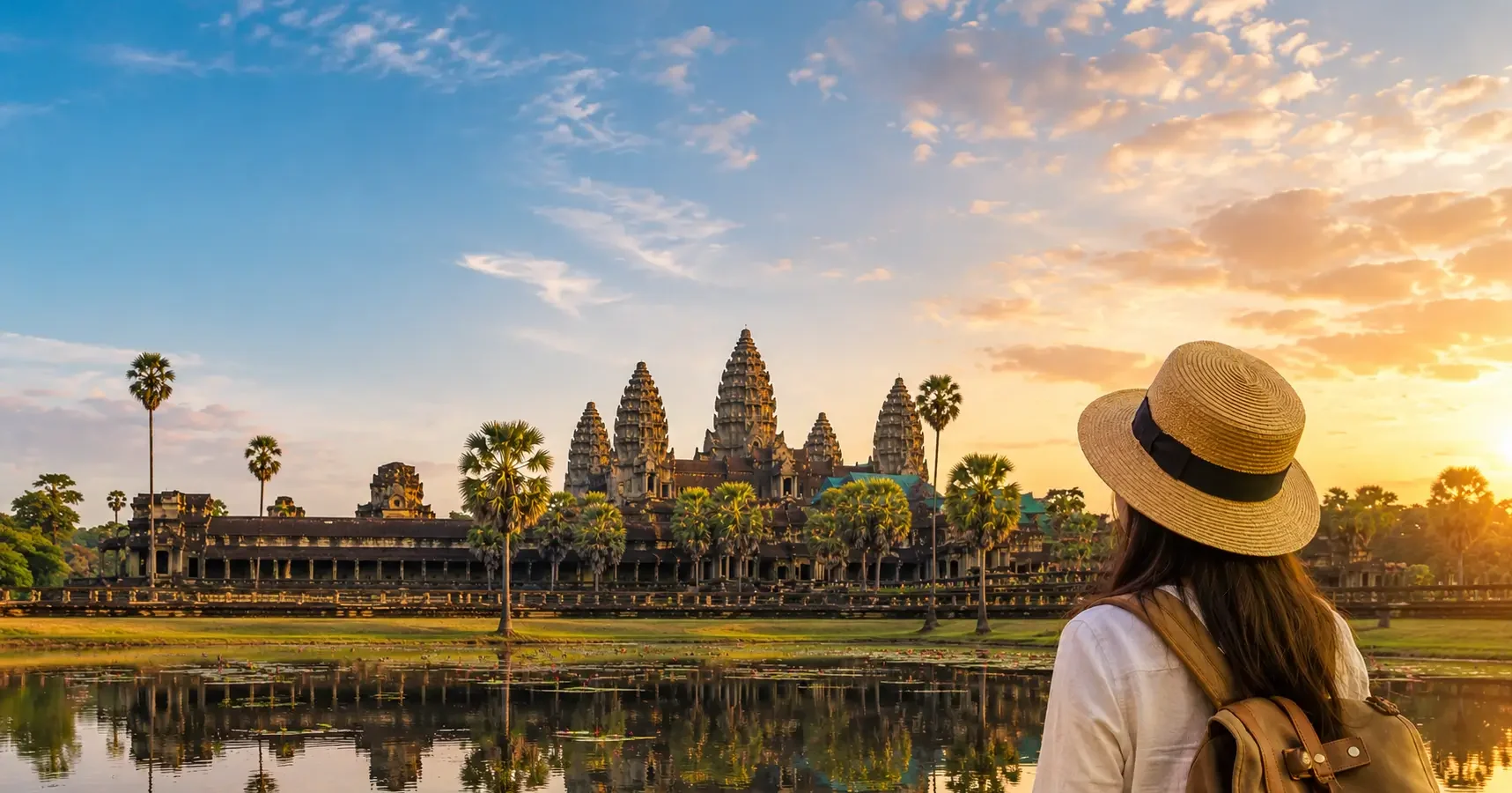
- Sunrise tours at Angkor Wat
- Outdoor markets and street food
- Beach escapes in southern Cambodia
Rainfall remains extremely low across the country.
Average Temperature
- 24°C–32°C
March — Hotter Weather Begins
March marks the transition toward Cambodia’s hottest period. Temperatures begin climbing, especially inland.
Good For
- Beach vacations
- Island resorts
- Early morning temple tours
Things to Know
Midday heat can become intense in places like Siem Reap. Most travelers schedule sightseeing early in the morning and relax during the afternoon.
Average Temperature
- 27°C–35°C
April — Cambodia’s Hottest Month
April is extremely hot but culturally exciting because of Khmer New Year celebrations.
Highlights
- Traditional Cambodian New Year festivities
- Water celebrations and street parties
- Fewer international tourists before rainy season begins
Travel Tip
Temperatures can exceed 38°C in some areas, so stay hydrated and avoid long afternoon walks.
Average Temperature
- 28°C–38°C
May — Beginning of the Green Season
May introduces the start of Cambodia’s rainy season, though showers are often short and refreshing.
Why Travelers Like May
- Lower hotel prices
- Less crowded temples
- Landscapes become greener
Rain usually arrives in late afternoon rather than lasting all day.
Average Temperature
- 27°C–35°C
June — Lush Countryside & Fewer Crowds
June is a fantastic month for travelers who prefer quieter experiences and dramatic tropical scenery.
Best Experiences
- Photography trips
- Countryside adventures
- Tonlé Sap floating villages
The countryside becomes incredibly green during this period.
Average Temperature
- 26°C–34°C
July — Peak Green Landscapes
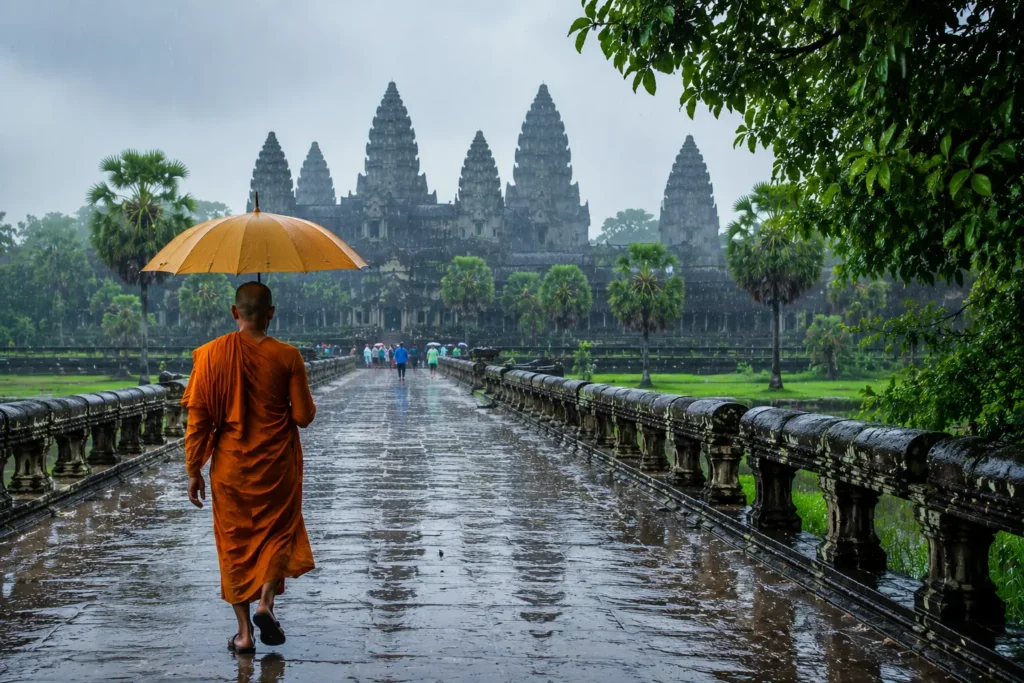
Rainfall increases in July, but Cambodia becomes beautifully lush and photogenic.
Advantages of Visiting in July
- Peaceful temple visits
- Budget-friendly hotels
- Cooler mornings compared to April
Expect short tropical downpours rather than nonstop rain.
August — Rainy but Atmospheric
August is part of Cambodia’s wettest season, especially in coastal regions.
Ideal For
- Slow travel
- Café culture in Phnom Penh
- Nature lovers and photographers
Some rural roads may become muddy or flooded, but major tourist destinations remain accessible.
Average Temperature
- 25°C–32°C
September — Wettest Month in Cambodia
September usually experiences the heaviest rainfall of the year.
Pros
- Lowest travel prices
- Very few tourists
- Stunning green rice fields
Cons
- Frequent rain showers
- Flooding possible in rural provinces
Travelers focused on luxury resorts and peaceful escapes often enjoy September despite the weather.
October — One of Cambodia’s Best Shoulder Months
October is one of the most underrated times to visit Cambodia.
Rain begins to decrease, landscapes remain green, and tourist crowds are still relatively low.
Why October is Great
- Beautiful scenery after rainy season
- Better hotel deals
- Pleasant temperatures return
Average Temperature
- 24°C–31°C
November — Start of Peak Travel Season
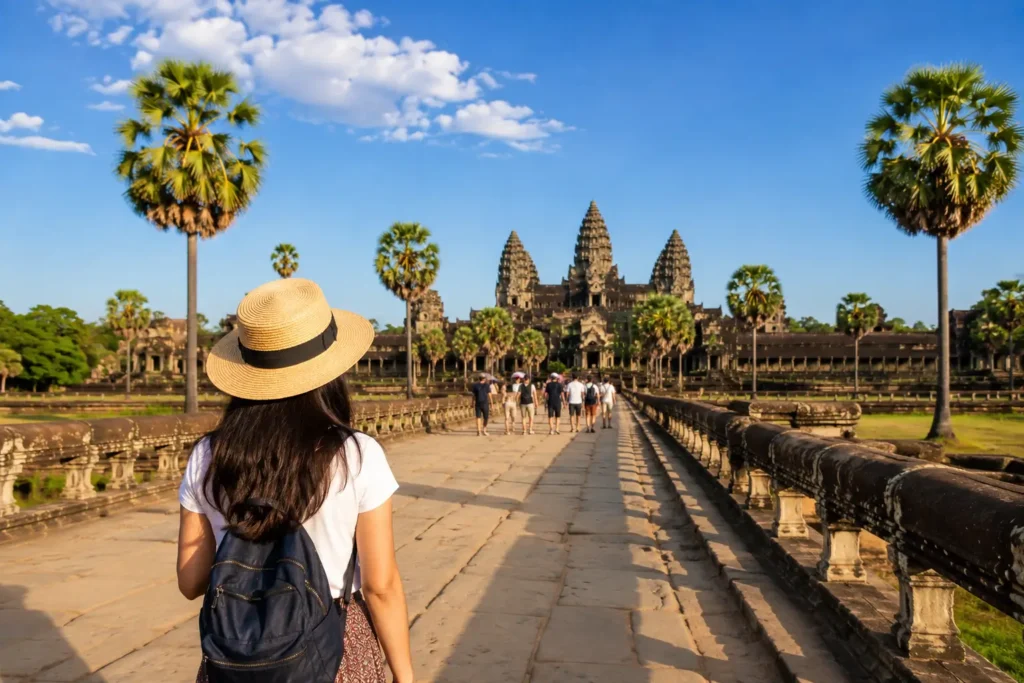
November marks the return of dry, sunny weather across Cambodia.
Best Experiences
- Angkor Wat temple tours
- Mekong River cruises
- Cambodia Water Festival celebrations
Humidity drops significantly, making sightseeing much more comfortable.
Average Temperature
- 24°C–30°C
December — Cool, Dry & Perfect for First-Time Visitors
December is one of the most popular months to visit Cambodia thanks to its reliable weather.
Why December is Ideal
- Blue skies and minimal rain
- Excellent beach conditions
- Comfortable temple exploration
It’s especially popular around Christmas and New Year holidays, so prices rise quickly.
Average Temperature
- 22°C–30°C
Best Time for Angkor Wat
November to February offers cooler temperatures and clear skies for temple visits.
Best Time for Cambodia Beaches
December to March provides calm seas and sunny weather for islands like Koh Rong Samloem and Sihanoukville.
Best Time for Budget Travelers
May to October usually offers cheaper hotels and fewer crowds.
Best Time for Photography
Rainy season months from June to October create dramatic skies, green rice fields, and atmospheric temple scenery.
Final Thoughts: When Should You Visit Cambodia?
If you want the absolute best weather, visit Cambodia between November and February. This period delivers sunny days, lower humidity, and ideal conditions for temples, beaches, and city exploration.
But Cambodia is truly a year-round destination. The rainy season offers fewer tourists, greener landscapes, and a more authentic travel experience — especially for photographers and slow travelers.
Whether you’re watching sunrise over Angkor Wat, relaxing on tropical islands, or exploring Phnom Penh’s riverside cafés, Cambodia rewards travelers in every season.

Written by
admin